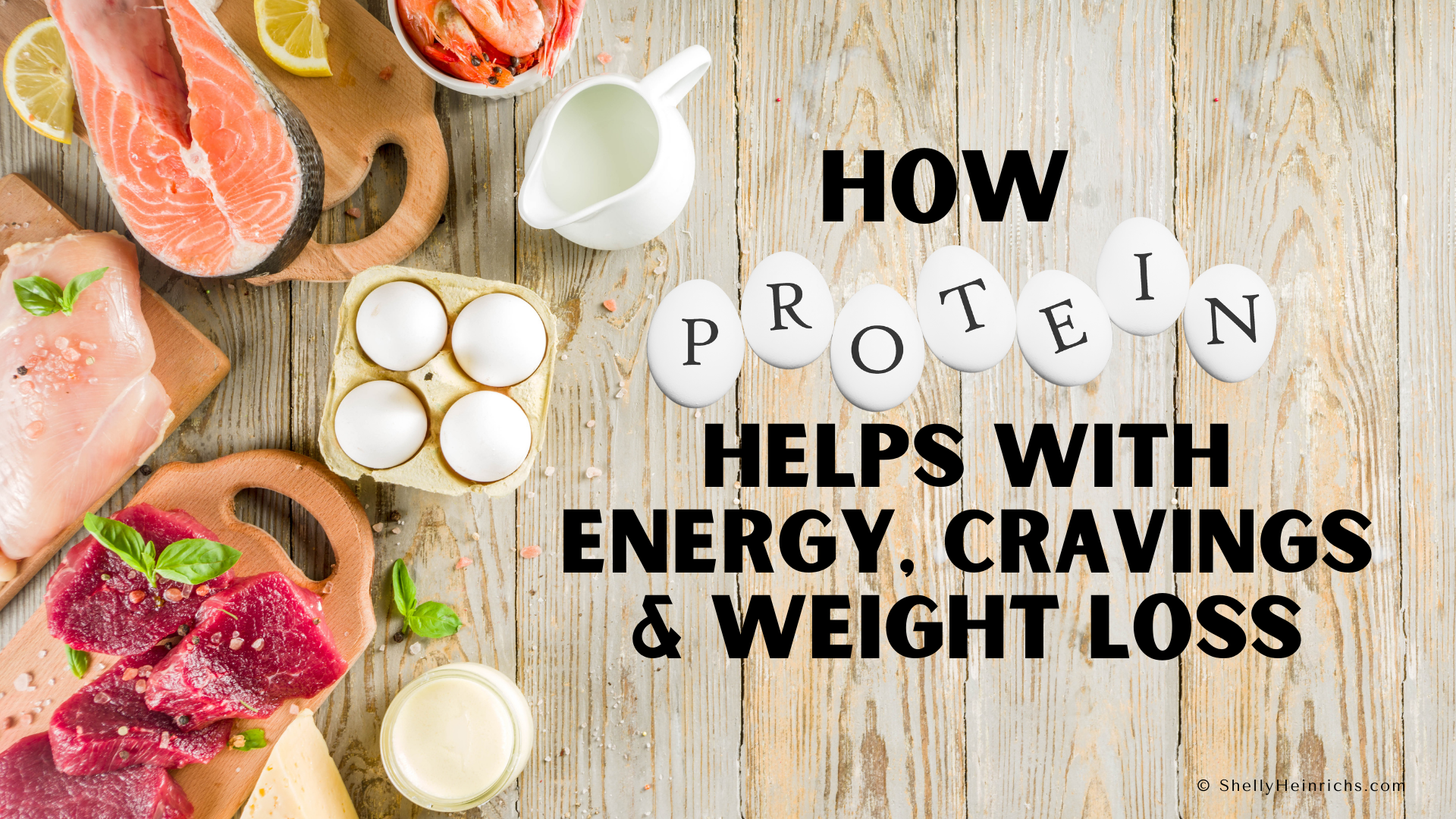
How Protein Helps with Energy, Cravings & Weight Loss
Do you feel confused by all the different diet advice? One day, carbs are bad. The next, fat is the problem. It’s hard to know what to eat. No matter what diet you follow - whether it’s vegetarian, Mediterranean, low-carb, keto, or carnivore - protein is key. Most people, especially women, don’t eat enough. Here’s why you need more and how to get it.
Why Protein is Essential
Protein is essential for building and maintaining muscle, supporting hormones, strengthening hair, skin, and nails, aiding recovery after exercise, and keeping you full between meals. Without enough protein, you may feel tired, crave snacks, and struggle with muscle loss.
Protein also plays a crucial role in blood sugar regulation. If you often experience energy crashes or constant cravings, increasing your intake can help stabilize your blood sugar, keeping you fuller for longer and reducing the urge to snack on processed foods.
How Much Do You Need?
The Recommended Dietary Allowance (RDA) for protein is often misunderstood. It represents the minimum amount needed to prevent deficiency, not the ideal amount for optimal health. If you’re aiming for improved energy, muscle maintenance, and balanced blood sugar, you’ll likely need more than the RDA suggests. A good target is one gram of protein per pound of your ideal body weight. If your goal weight is 140 pounds, aim for 140 grams of protein daily. I don’t recommend women going below 100 grams per day. If you’re eating less than 50 grams now, increase gradually by adding 25 grams at a time until you reach your goal. Spread your intake across meals for better results.
Your activity level also matters. If you lift weights, engage in regular strength training, or are recovering from illness, your protein needs may be even higher. Active women often do best with 120-150 grams per day, while those with intense training routines may need even more.
Best Protein Sources
Whole foods should be your first choice. Prioritize eggs (including yolks), beef, pork, chicken, turkey, fish, seafood, Greek yogurt, and cottage cheese. While protein powders and bars can help, they shouldn’t replace real food.
Diverse sources provide a variety of amino acids, which support different functions in your body. Including protein from a variety of sources ensures you get a broad range of nutrients, such as iron from red meat, omega-3s from fish, and collagen from tougher cuts of meat. For example, collagen (found in bone broth and tougher cuts of meat) supports joint and skin health, while fish and seafood provide essential omega-3 fatty acids that help reduce inflammation.
Common Mistakes
Many people make mistakes when trying to increase protein. Some rely too much on processed bars and shakes, save all their protein for dinner, eat too many carbs and fats first, or assume they’re getting enough when they’re not. To avoid these pitfalls, start by prioritizing protein first at meals, eating at least 30 grams at breakfast. Track your intake for a week, and focus on whole food sources.
Skipping protein at breakfast is a common issue. Many breakfast foods are high in carbs and low in protein, leaving you hungry a few hours later. Instead, opt for eggs, Greek yogurt, or a smoothie packed with real food ingredients.
Why Timing Matters
Eating protein evenly throughout the day helps maintain energy, supports muscles, reduces cravings, and improves workout recovery. Instead of backloading protein at dinner, aim to distribute it evenly across meals. A 120-gram daily target might look like:
- Breakfast: 30 grams (eggs with turkey and cheese)
- Lunch: 30 grams (grilled chicken with avocado and greens)
- Snack (if needed): 20 grams (Greek yogurt with nuts or another whole food protein option). If you’re feeling hungry between meals, make sure your snack includes protein to help keep you satisfied and reduce cravings.
- Dinner: 40 grams (salmon with roasted vegetables)
This approach helps your body effectively use protein for muscle repair and energy, rather than storing it as excess calories.
Signs You Need More Protein
If you’re not eating enough protein, your body will send signals. Constant hunger, sugar cravings, fatigue, weak hair and nails, slow workout recovery, and muscle loss are all signs you may need more. Additionally, frequent injuries, poor sleep quality, and difficulty concentrating can indicate a deficiency.
Simple Steps to Get Started
Making small changes adds up over time. Start by calculating your protein needs, tracking your intake, and gradually increasing your daily amount. Build your meals around protein first, then adjust your carbs and fats based on what works best for you.
If you struggle to hit your goal, prep ahead. Cook extra chicken, hard-boil eggs, or keep Greek yogurt and cheese on hand for quick, high-protein snacks. If you’re eating out, look for meals with a solid protein source and ask for extra if needed.
If you need support, reach out. You don’t have to do this alone. Eating enough protein can make a huge difference in how you feel, and I’m here to help you every step of the way.
Want help putting this into practice?
Send me a message and I'll reply within 48 hours.